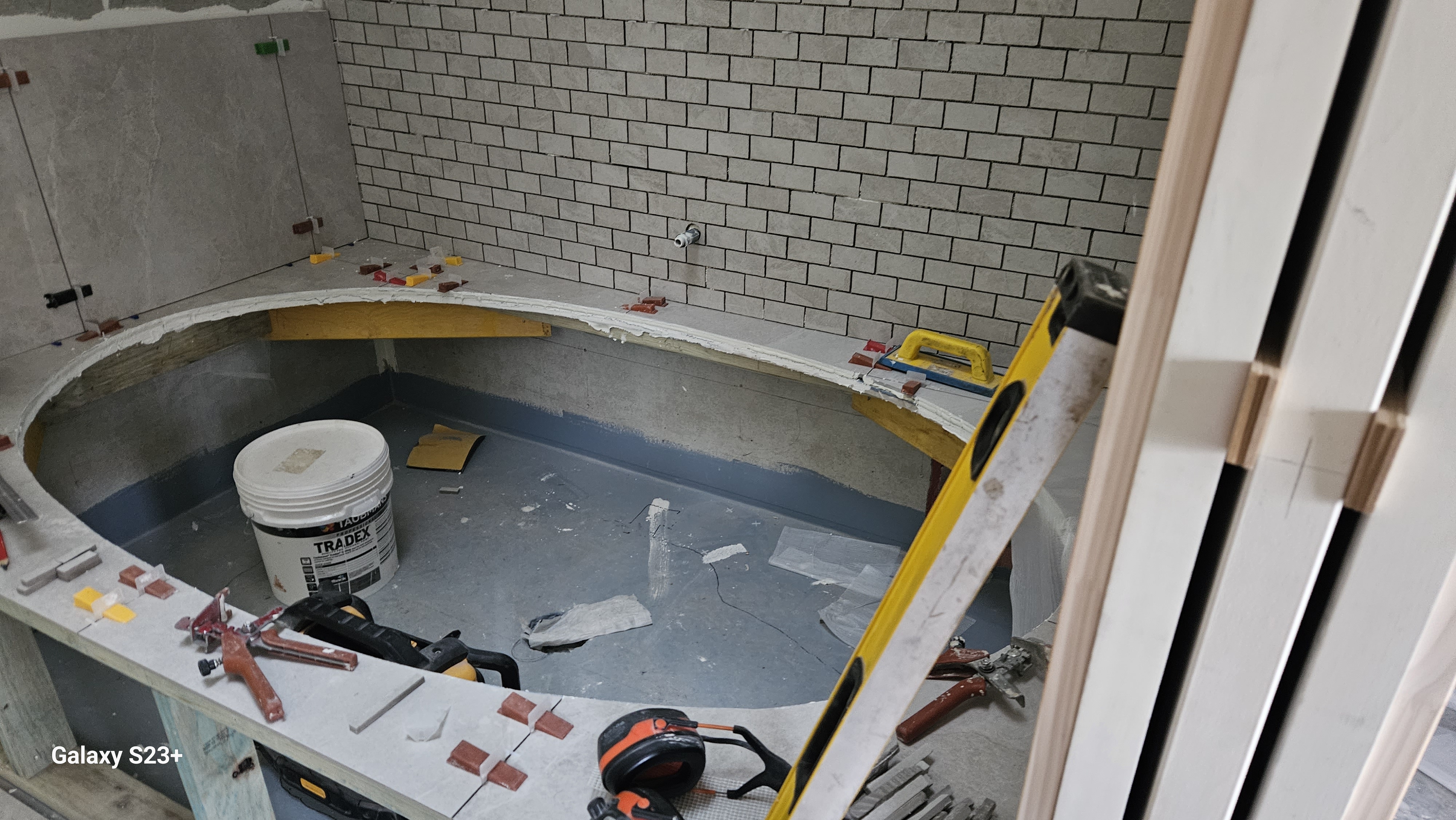
Yes - Skilled Tilers Are Available. Here’s How Regional Businesses Are Securing Them.
If you run a tiling business in regional Australia, you already know the pressure.
Work is strong. Builders want clean finishes. Large-format porcelain is standard. Linear drains are everywhere.
The challenge isn’t demand - it’s capacity.
The good news?
There are experienced tilers available globally who are keen to build long-term lives in regional Australia.
This article explains:
The official trade classification
How overseas experience compares to Australian apprenticeships
Where skilled tilers are commonly sourced
Practical ways experienced tiling business owners assess capability
No scare tactics. No bureaucracy. Just practical information.
1. The Trade Framework (Quick Facts)
Before anything else, the role must qualify within Australia’s skilled occupation system.

In Australia, a tiler usually completes a Certificate III and 3–4 years of apprenticeship training.
For experienced overseas tilers, the focus is on:
Years of full-time experience
Scope of work completed
Independence on site
Evidence of completed projects
In practice, many tilers with 5–10+ years of documented experience are considered comparable to an Australian-qualified tradesperson.
2. Where Skilled Tilers Commonly Come From
Regional employers often source tilers from:
Vietnam
Strong porcelain experience, precision cutting, and high-volume residential exposure.
Philippines
Consistent work ethic and familiarity with international construction standards. Good culture fit.
UK & Ireland
High alignment with Australian site systems and documentation.
South Africa
Strong finish quality and independent work capability.
Each country produces different strengths - but the key factor is experience and adaptability, not nationality.
3. Large-Format Tiles: A Global Strength
One misconception is that overseas tilers only work small-format ceramic.
In reality, many international markets now use:
600×600
600×1200
Large porcelain panels
Rectified edges
Tight grout lines
Large-format installation globally has driven:
Advanced adhesive systems
Levelling clip use
Improved set-out practices
Strong focus on flat substrates
Australian standards are high - but many experienced overseas tilers are already working at comparable technical levels.
4. Waterproofing & Methodology Alignment
Construction methods can vary between countries.
That’s not a weakness - it’s simply a difference in sequencing and materials.
Most experienced tilers adapt quickly to Australian standards once they understand:
Membrane cure times
Substrate preparation expectations
Drain-first set-out logic
Builder documentation requirements
The tilers who succeed in Australia are those who:
Ask questions
Respect local standards
Treat waterproofing seriously
See levelling systems as tools, not shortcuts
And most do exactly that.
5. Practical Hiring Tips (From One Business Owner to Another)
You don’t need to be told how to tile.
But when assessing any new hire - local or overseas - experienced tiling business owners often look at:
Videos of completed work (not just progress shots)
How they talk through a drain set-out
Their approach to batching and wastage
Experience with large-format tile handling
Comfort using levelling systems
None of this is about testing someone’s passport.
It’s simply how good operators protect their margin.
6. Why Regional Businesses Are Well Positioned
Regional tiling businesses have real advantages:
Strong pipeline of residential and commercial work
More stable teams
Lower churn
Clear regional pathways for long-term settlement
Workers who move regionally often commit long term - bringing stability to your crew.
For many tiling businesses, sponsorship isn’t about filling tomorrow’s job.
It’s about building capacity for the next 4–5 years.
7. The Bigger Picture
The global tiling industry has lifted dramatically in the past decade.
Large-format porcelain, tight grout tolerances, improved adhesives, and levelling systems are now common across many countries.
That means:
There are capable tilers available, If you have the business confidence to commit.
The opportunity for regional businesses is knowing how to identify and integrate them successfully.
Glossary of Key Terms
ANZSCO – Occupational classification system used for skilled migration.
Large-Format Tiles – Tiles typically 600mm or larger on one edge requiring precise substrate prep.
Levelling Clips – Systems used to maintain flat planes across tile surfaces.
Batch Number – Manufacturing identifier that affects tile colour and finish consistency.
Regional Visa – A visa pathway encouraging settlement outside major capital cities.
Related Articles
Related Articles that you may enjoy
https://auvisas.au/post/becoming-a-business-sponsor
https://auvisas.au/post/common-visa-mistakes
https://auvisas.au/post/labour-market-testing
https://auvisas.au/post/costperday
https://auvisas.au/blog
Source: AU Visas Employer Guide Blog Series
Disclaimer
The content provided is for informational purposes only and does not constitute immigration or legal advice. It is subject to change. Consult a MARA-registered migration agent or lawyer for professional advice before making any application.
👉 Contact AU Visas today for a professional opinion on your situation. https://auvisas.au/free-consult for business.


