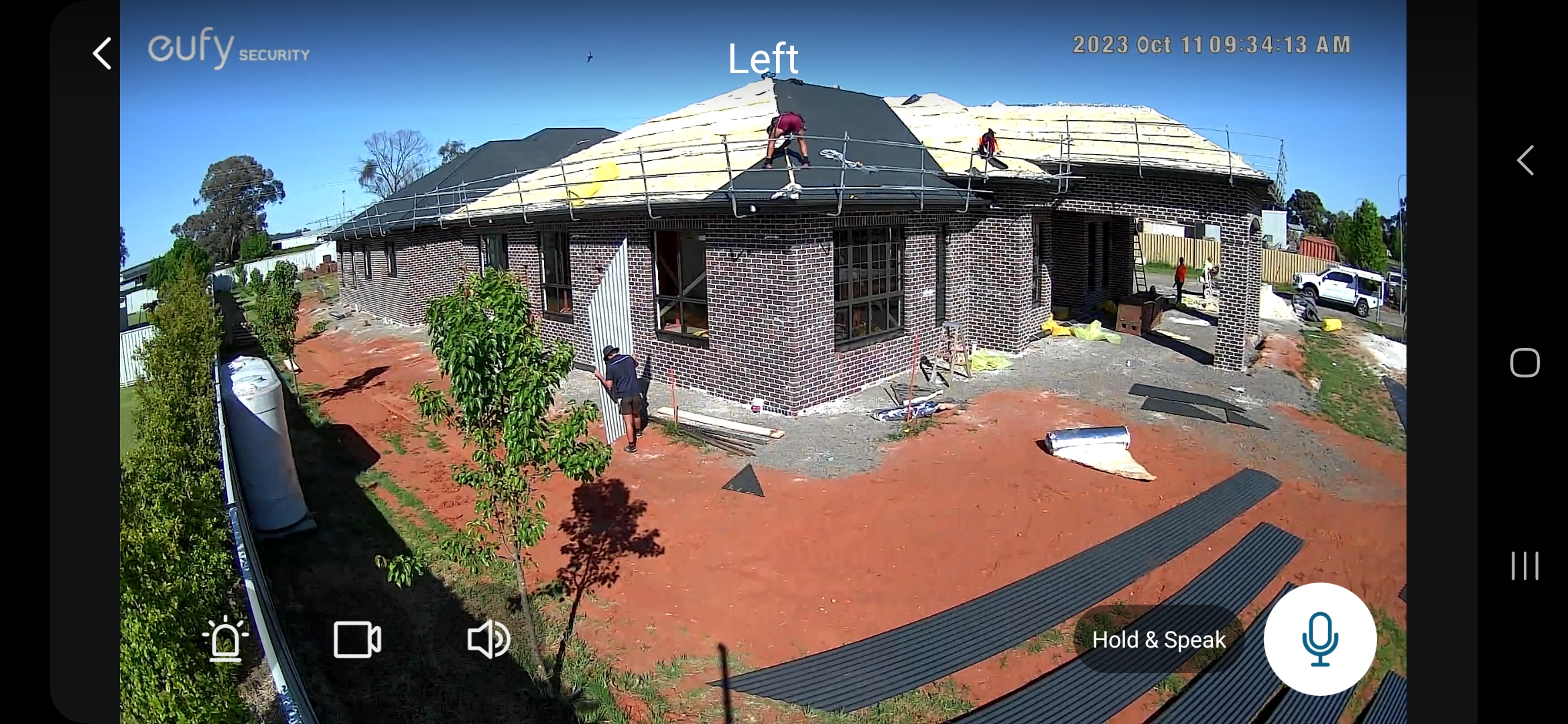
Sponsoring Roof Plumbers in Regional Australia
If you run a metal roofing business in regional Australia, you already know the pressure points:
Builders want guaranteed timelines.
Storm seasons compress delivery windows.
Good trades are booked months out.
And you’re back on the tools yourself to protect reputation.
This isn’t theory. Across regional NSW and VIC, experienced roof plumbers are one of the hardest trades to source consistently.
Sponsorship isn’t a “quick fix.” It’s a structured workforce strategy.
This guide explains:
The correct occupation classification
What government frameworks generally allow
What’s involved from a business compliance perspective
Costs and realistic timeframes
When it makes commercial sense
This is educational information only. Specific formal advice must come from a MARA-registered migration agent.
1. Which Occupation Applies to Metal Roofing?
For most commercial and sheet roofing businesses, the relevant classification is:
Roof Plumber – ANZSCO 334115 (363331)
This occupation typically covers:
Installation of metal roofing
Flashings and cappings
Box gutters
Downpipes and rainwater systems
Commercial and industrial sheet roofing
Another occupation sometimes referenced is:
Roofer – ANZSCO 333311 (more aligned to tile or slate roofing)
For metal roofing businesses, Roof Plumber (334115) is usually the closer operational match.
Occupation availability can change depending on legislative settings and government occupation lists. Always confirm current settings before progressing.
2. What Pathways Do Employers Commonly Use?
From a business perspective, employer-sponsored pathways generally fall into:
Temporary skilled employer-sponsored arrangements
Regional employer-sponsored arrangements
Permanent transition options after a qualifying period
The specific pathway depends on:
Business location (regional vs metropolitan)
Salary level
Candidate experience
Current occupation list settings
As a business owner, your focus should be less on the visa label and more on:
✔ Is the role genuine?
✔ Can we sustain the salary?
✔ Do we meet compliance obligations?
3. What’s Actually Involved for the Business?
Think in three stages.
Stage 1: Standard Business Sponsorship (SBS)
If you are not already approved as a sponsor, you must demonstrate:
The business is lawful and actively operating
Financial stability
Compliance with workplace law
Genuine need for skilled labour
Financial Integrity Matters
Case officers typically examine:
Turnover
BAS history
PAYG compliance
Superannuation payments
Outstanding ATO liabilities
If books are not clean, sponsorship can stall.
For roofing businesses operating on tight margins, it’s worth reviewing financial compliance early.
Stage 2: Nomination of the Position
You must demonstrate:
The role aligns with ANZSCO duties
The salary meets required thresholds
Market rate is defensible
Labour Market Testing (LMT) has been conducted
Labour Market Testing
This generally requires:
Advertising locally
Retaining evidence
Demonstrating no suitable Australian worker was available
For roofing businesses, this is often straightforward - because you’ve already tried.
Stage 3: The Individual Visa Application
This stage assesses the worker’s:
Skills and experience
Qualifications
English level
Health and character
Some trade occupations may require a formal skills assessment before visa approval. That assessment is separate from the employer process.
4. Supervision & Genuine Position Requirements
Roof plumbing is high-risk construction work.
Case officers will often consider:
Who supervises the sponsored worker?
Is there an existing qualified tradesperson onsite?
Is this a genuine skilled role - not labouring?
If your current team has no qualified roof plumber and you intend to sponsor one as your only skilled person, that can create scrutiny.
Strong internal supervision structures reduce risk.
5. Costs Employers Should Plan For
Transparency builds confidence.
Government Charges
Sponsorship application fee
Nomination fee
Skilling Australians Fund (SAF) Levy
The SAF Levy varies depending on business turnover and visa duration and is payable at nomination stage.
For many small regional businesses, the SAF Levy alone can be several thousand dollars.
Additional Commercial Costs
Professional migration fees
Advertising costs
Relocation support (optional but common)
Initial accommodation assistance
Induction and safety training
Tickets (Working at Heights, EWP, White Card if required)
Sponsorship is not cheap - but neither is turning away work.
6. Realistic Timeframes
Processing times vary depending on government workloads and application complexity.
As a broad indication only:

*These timeframes are indicative only and subject to change.
If you don’t yet hold SBS approval, that is often the first delay point.
Many experienced operators secure sponsorship approval before identifying the final candidate.
7. When Sponsorship Makes Commercial Sense
Sponsorship works best when:
✔ Forward orders are locked in
✔ Builders rely on your delivery
✔ Overtime is becoming unsustainable
✔ You have at least 12–24 months of predictable workflow
✔ You can support proper supervision
It may not be appropriate when:
✖ Work is sporadic
✖ Cashflow is unstable
✖ You are unsure about future demand
Sponsorship should protect margin - not increase stress.
8. A Practical Regional Scenario (Hypothetical)
A Riverina-based roofing company has:
42 weeks of confirmed roof & shed installations
Two senior trades at capacity
Repeatedly advertised locally
Turned down three commercial jobs due to labour shortages
The director is installing flashings himself every Saturday.
In this situation, sponsorship becomes a capacity strategy - not a desperation move.
The business is protecting:
Reputation
Builder relationships
Revenue growth
That is a commercially rational decision.
9. What Decision-Makers Are Really Assessing
From a compliance perspective, decision-makers typically ask:
Is this business genuine and financially stable?
Is this role aligned with the occupation definition?
Is the salary appropriate?
Has genuine recruitment been attempted locally?
Is there appropriate supervision and safety compliance?
If these fundamentals are prepared carefully, the process is generally more straightforward from a compliance standpoint.
Glossary of Key Terms
ANZSCO – Australian and New Zealand Standard Classification of Occupations.
Roof Plumber (334115) – Trade occupation covering metal roofing and rainwater systems.
SBS (Standard Business Sponsorship) – Approval allowing a business to sponsor overseas workers.
Nomination – The formal process of identifying a specific role for sponsorship.
Labour Market Testing (LMT) – Required advertising to demonstrate genuine local recruitment efforts.
SAF Levy – Skilling Australians Fund charge paid by employers when nominating a worker.
Regional – Areas outside major capital cities, often with additional sponsorship options.
Related Articles
Related Articles that you may enjoy
https://auvisas.au/post/becoming-a-business-sponsor
https://auvisas.au/post/common-visa-mistakes
https://auvisas.au/post/labour-market-testing
https://auvisas.au/post/costperday
Source: AU Visas Employer Guide Series
Disclaimer
The content provided is for informational purposes only and does not constitute immigration or legal advice. It is subject to change. Consult a MARA-registered migration agent or lawyer for specific professional advice before making any application.
👉 Contact AU Visas today for a professional opinion on your situation. https://auvisas.au/free-consult for business.


